A polyurethane foaming system has two distinct sides. The wet side handles the polyurethane chemistry and dispensing process. The dry side handles the product by supporting, restraining, pressing, moving, and automating it through production.
Both sides have different jobs, but they need to work together.
As the leading U.S. specialist in custom urethane foaming fixtures, presses, and clamp systems, Con-Tek Machine, a Minnesota-based manufacturer, designs and builds engineered-to-order equipment around each customer’s product, process, workflow, and production goals. Our specialization is the dry side of polyurethane foaming production.
For manufacturers planning a new polyurethane foaming line, upgrading an existing process, or increasing automation, understanding the difference between the wet side and dry side is an important place to start.
What Is the Wet Side of a Polyurethane Foaming System?
The wet side is the chemical-processing side of polyurethane production.
Wet-side equipment handles the chemistry used to create polyurethane foam. Depending on the application, this includes:
- Chemical handling
- Metering
- Mixing
- Polyurethane dispensing
The wet side prepares and introduces the polyurethane material into the panel, cabinet, mold, or other product.
In simple terms:
Wet side = polyurethane chemical processing and dispensing.
We specialize in the dry side of polyurethane foaming production. When a customer needs a complete system, we partner with wet-side specialists. We manufacture the dry-side equipment ourselves and work with wet-side manufacturers and integration partners for the rest, so each part of the line is handled by people who specialize in it.
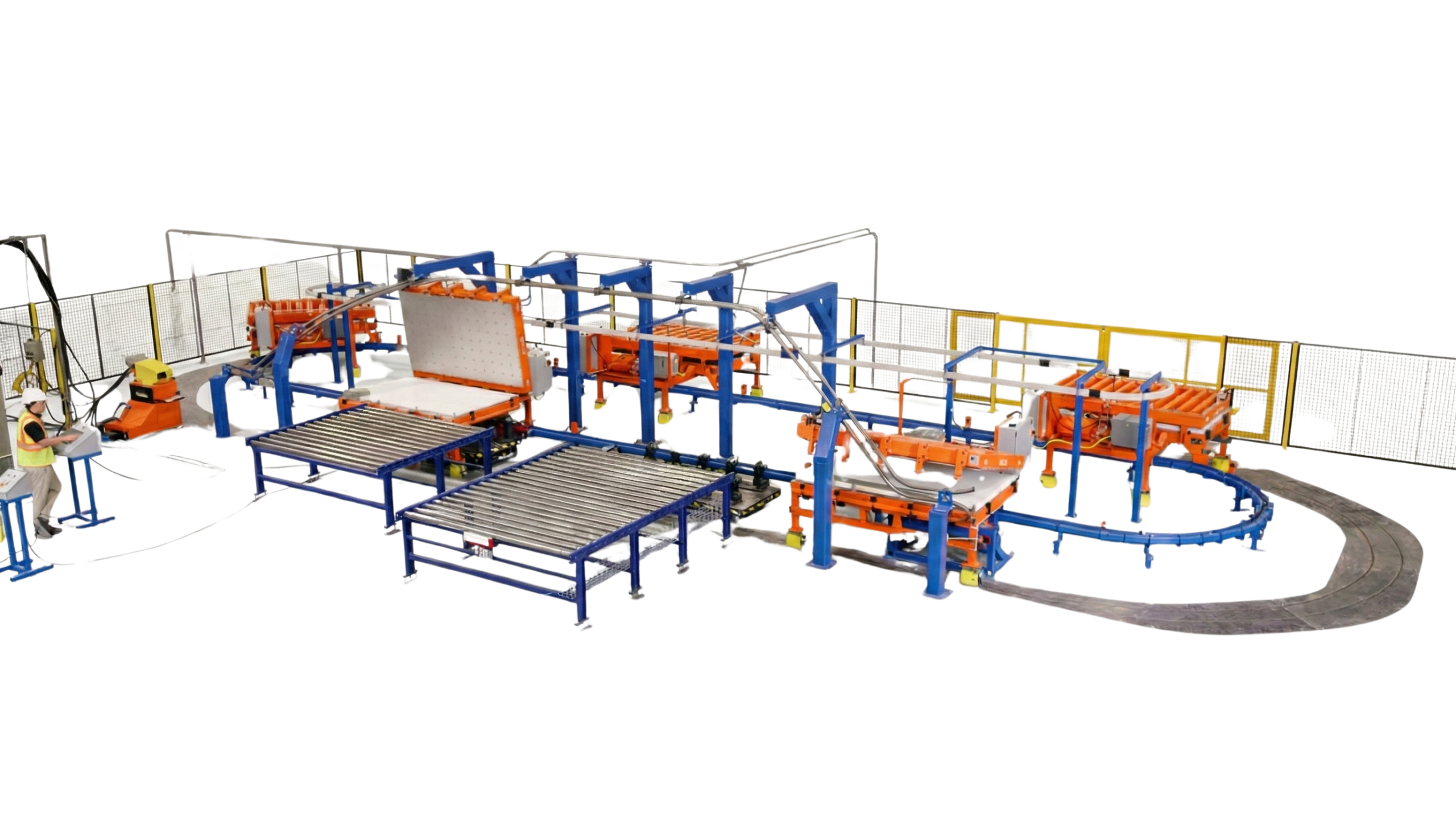
What Is the Dry Side of a Polyurethane Foaming System?
The dry side is the mechanical side of polyurethane production.
This is where we specialize.
Once polyurethane is dispensed, it expands, generates heat, releases gas, and creates pressure against the surrounding product. The equipment around that product has to support it correctly throughout the process.
Depending on the application, we design dry-side systems that include:
- Foaming fixtures
- Panel presses
- Cabinet foaming systems
- Product-specific tooling
- Loading and unloading systems
- Product handling
- Conveyance integration
- Heating and cooling features
- PLC-based controls
- Automatic or manual sequencing
- Safety systems and interlocks
- Multi-product support
- Model-to-model changeover
- Production-specific automation
For large, flat products such as insulated panels, the dry side uses a panel foaming fixture or press. For enclosed products such as refrigerated cabinets or food-service equipment, a cabinet foaming system provides product-specific restraint and support.
In simple terms:
Dry side = product restraint, handling, pressing, movement, controls, and automation.
Why Does the Dry Side Matter During Polyurethane Foaming?
The chemistry happens on the wet side, but the dry side has to manage what that chemical reaction does to the product.
As polyurethane foam expands, it creates internal pressure. Without the right support and restraint, a panel, cabinet, door, enclosure, or other foamed product can bow, shift, warp, or lose dimensional consistency.
We design dry-side equipment to help manufacturers:
- Control product movement during foam expansion
- Maintain dimensional consistency
- Reduce the risk of bowing, warping, and distortion
- Protect cosmetic and finished surfaces
- Improve repeatability between cycles
- Make loading and unloading easier
- Support multiple products or models
- Reduce changeover friction
- Integrate with automation and production-line equipment
- Support safer, more predictable production
The dry side is not simply something that holds the product in place. It is part of the manufacturing process that helps the foam, product, equipment, and production sequence work together.
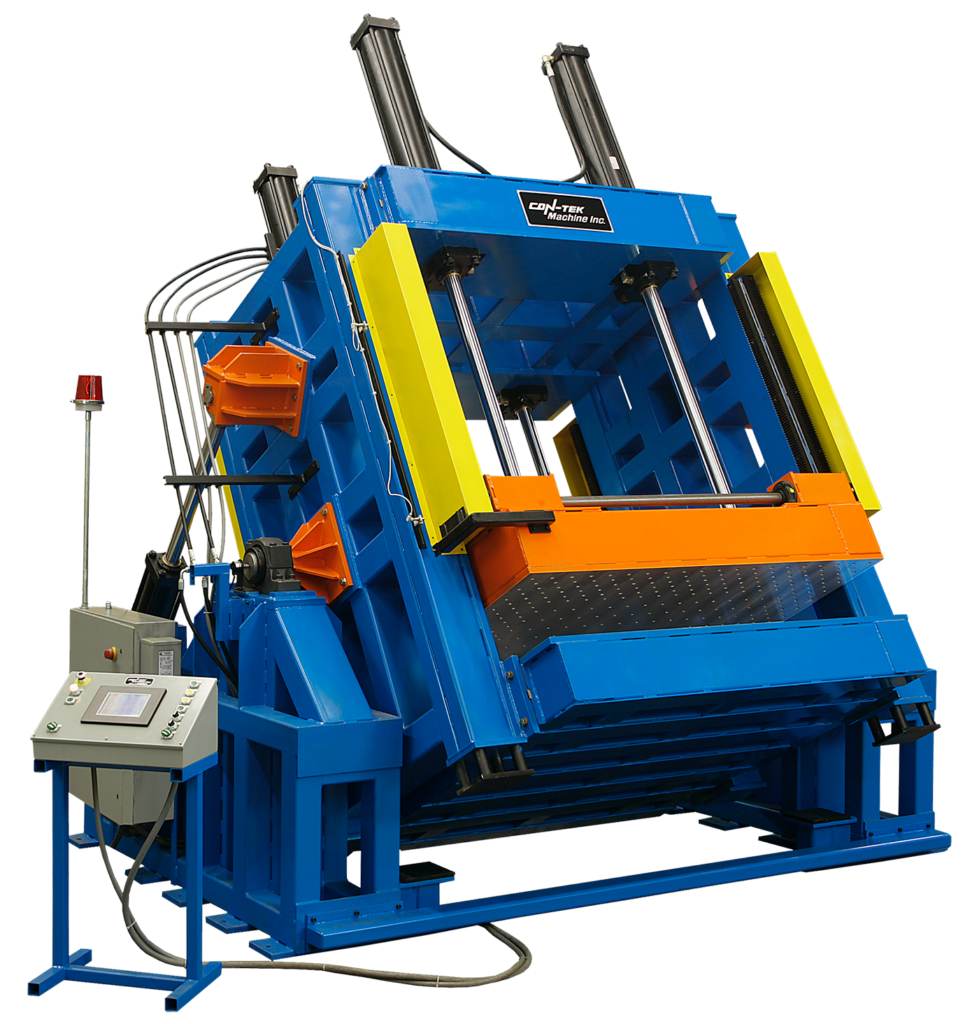
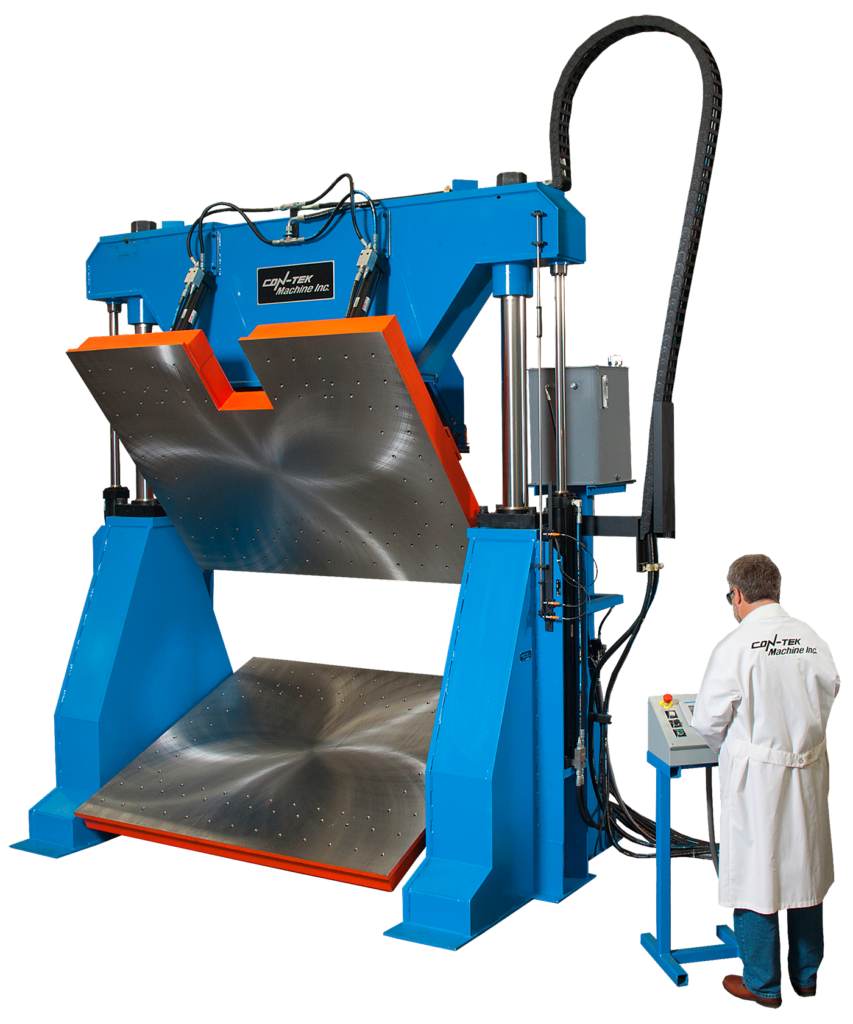
What Do We Build for the Dry Side?
At Con-Tek, we engineer dry-side equipment around the product being manufactured and the way our customer needs to produce it.
We support polyurethane foaming applications such as:
- Insulated panels
- Walk-in cooler and freezer components
- Refrigerated warehouse panels
- Cold storage products
- Refrigerated transportation equipment
- Insulated doors
- Food-service equipment
- Refrigerated cabinets
- Appliances
- Laboratory refrigeration equipment
- Insulated containers
- Other polyurethane-foamed products
Every project is different. Before we design a system, we look at factors such as product geometry, support requirements, loading methods, production volume, plant layout, changeover needs, temperature requirements, safety, controls, and automation.
The goal is to build the dry side around the actual production process instead of forcing the process to fit a standard machine.
How Do the Wet Side and Dry Side Work Together?
The wet and dry sides perform different functions, but they are part of the same polyurethane foaming process.
The wet side needs to meter, mix, and dispense the polyurethane chemistry correctly. At the same time, our dry-side equipment needs to support the product, provide the required restraint, and follow the correct production sequence.
Timing and integration matter.
For example, the system needs to coordinate:
- Product loading
- Fixture or press closing
- Dispensing
- Foam expansion and cure time
- Heating or cooling
- Safety interlocks
- Fixture or press opening
- Product unloading
- Movement to the next production station
We design our equipment with the broader manufacturing process in mind, including the interface with dispensing equipment when the application requires it.
Can Con-Tek Support an Integrated Polyurethane Foaming System?
Our expertise is on the dry side, but that does not mean the wet and dry sides have to be approached separately.
When a project requires a more complete production solution, we work with wet-side equipment partners to integrate their chemical-processing and dispensing equipment with our dry-side systems.
That allows each part of the process to be handled by specialists while still working toward a coordinated turnkey production system.
Wet-Side Equipment
- Chemical processing
- Metering
- Mixing
- Polyurethane dispensing
Our Dry-Side Equipment
- Product restraint
- Foaming fixtures
- Panel and cabinet presses
- Tooling
- Product handling
- Loading and unloading
- Conveyance
- Controls
- Safety systems
- Automation
The objective is not simply to place wet-side and dry-side equipment next to each other. The equipment needs to work together as part of the production process.
Why Work With a Dry-Side Specialist?
A complete polyurethane foaming line requires expertise on both the wet side and the dry side. Many companies that provide the full line approach the system from the chemical-processing and dispensing side, with the dry-side equipment serving as one part of a broader package.
Our approach brings deeper specialization to the dry side.
We design and manufacture the dry-side equipment ourselves, focusing closely on the mechanical challenges created by the product, the foam process, and the production environment. When a customer needs a complete system, we partner with wet-side specialists who bring the same depth of expertise to chemical processing and dispensing.
This approach allows each part of the line to be handled by specialists while still delivering a coordinated production system.
When we approach a project, we want to understand questions such as:
- How will operators load and unload the product?
- Where will the polyurethane be dispensed?
- How does the product need to be restrained?
- What surfaces or dimensions are especially critical?
- How many products or models need to run through the system?
- How will changeovers work?
- What production rate does the system need to support?
- What level of automation is appropriate?
- What safety requirements need to be incorporated?
- What existing equipment does the system need to interface with?
- How does everything need to fit within the plant?
Those details shape the equipment we design.
We are not trying to provide a generic dry-side machine. We are trying to build the right dry-side system for the product and process while working with the right wet-side specialists when the project calls for a complete solution.
What Should You Consider When Planning a Polyurethane Foaming System?
Before investing in new wet-side or dry-side equipment, it helps to define the entire production challenge.
A few useful questions include:
- What products and sizes will you manufacture?
- What polyurethane dispensing process will you use?
- How does the product need to be supported during foam expansion?
- Where are scrap, rework, or quality problems occurring today?
- What production rate do you need?
- How will operators load and unload the product?
- How many product models must the system accommodate?
- How important is model-to-model changeover?
- What heating or cooling requirements are involved?
- What level of automation do you need?
- What safety architecture is required?
- How should the wet-side and dry-side equipment communicate?
- What existing equipment must remain part of the line?
- How does the new equipment need to fit within your plant layout?
The answers help define both the equipment and how the wet and dry sides need to work together.
FAQ: Wet-Side vs. Dry-Side Polyurethane Foaming Equipment
Wet-side equipment handles polyurethane chemical processing, including metering, mixing, and dispensing. Dry-side equipment supports and controls the product through fixturing, pressing, restraint, handling, movement, controls, safety, and automation.
Con-Tek Machine specializes in the dry side of polyurethane foaming production. We design and build engineered-to-order foaming fixtures, presses, tooling, handling systems, controls, and related production equipment.
Con-Tek Machine specializes in the dry side and does not manufacture polyurethane dispensing equipment. When a customer needs a complete system, we partner with wet-side specialists. We manufacture the dry-side equipment ourselves and work with wet-side manufacturers and integration partners for the rest, so each part of the line is handled by people who specialize in it.
Con-Tek Machine designs dry-side equipment to interface with polyurethane dispensing systems and other equipment within the production line, depending on the application.
Con-Tek Machine helps provide a complete polyurethane foaming solution by partnering with wet-side specialists to deliver a turnkey system. We manufacture the dry-side equipment ourselves and work with wet-side manufacturers and integration partners so each part of the production line is handled by specialists and integrated into one coordinated solution.
A dry-side specialist focuses on the mechanical requirements surrounding the product, including restraint, support, handling, tooling, changeover, automation, safety, and production flow. These factors directly affect how well the product moves through the polyurethane foaming process.
Build the Dry Side Around Your Production Challenge
The wet side and dry side perform different jobs, but a successful polyurethane foaming process depends on both working together.
If you are planning a new foaming line, replacing existing dry-side equipment, increasing automation, or trying to solve a production problem, bring us your product specifications, foam-process requirements, production goals, changeover needs, plant-layout considerations, and current challenges.
We’ll help you determine what the dry side needs to look like and how it should work with the rest of your polyurethane foaming system.